
When Mental Strength Stops Being About Toughness
And starts becoming something more sustainable

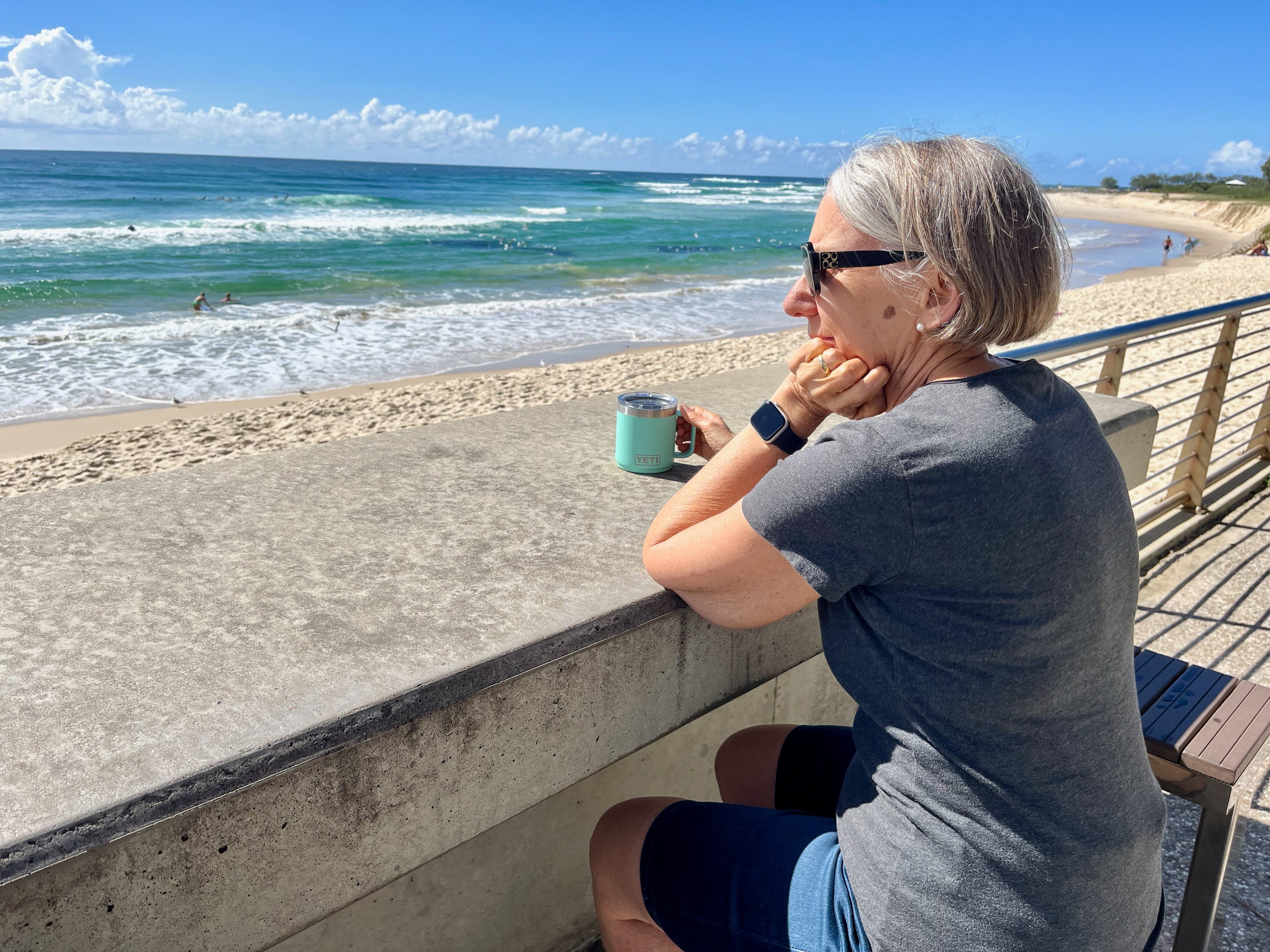
For most of my adult life, I thought I understood mental strength. It looked like pushing through, staying upbeat, focusing on outcomes over discomfort, and just getting on with things.
It was stamina—the ability to keep going regardless of what was happening internally.
And for a long time, that definition worked.
I ate books about mental toughness, self-discipline, mind over matter and peak performance.
But as I approach 70, I’ve noticed something shifting. It’s a quiet resistance to forcing myself into a definition of strength as toughness that no longer fits.
Not because I can’t do it—but because I no longer want to live that way. I want to expand from a life dominated by physicality into other domains, like thinking deeply and writing truthfully.
That realisation has been unsettling and clarifying in equal measure.
The old model of mental strength
Most of us inherited a very particular idea of what it means to be mentally strong.
You cope.
You adapt.
You stay positive.
You accept things being harder than they need to be.
You don’t slow down unless you absolutely have to.
This version of strength prizes physical endurance over awareness. And in earlier decades, when energy was abundant and recovery was fast, it often served me well. But I’m beginning to see that as we age, that model starts to fracture.
Not because I’m “losing resilience,” but because the internal conditions that support that kind of strength are changing.
Biology matters more.
Recovery matters more.
Meaning matters more.
Emotional regulation matters more.
And pretending otherwise is quietly draining.
What I’m starting to see instead
Lately, I’ve been rethinking mental strength altogether.
Less as toughness.
Less as a personality trait.
Less as something you either “have” or “don’t have.”
More as a system.
A system that allows your capability—physical, emotional, cognitive—to keep expressing over time.
From that perspective, mental strength now looks like:
Regulation: The ability to calm my nervous system and return to centre instead of running on constant alert.
Choice and Influence: A lived belief that my decisions still matter—and that I can still shape parts of my life, even as circumstances change.
Identity coherence: Trust in who I am becoming, even as old roles, labels, and expectations fall away.
Respect for recovery: Knowing when to stop before exhaustion forces the decision.
None of this is dramatic, but all of it is powerful.
‘Noticings’ changed things for me
I’ve been paying close attention to small internal shifts lately—what I call noticings or simple observations.
One that keeps returning is this:
When I honour my capacity rather than fight it, I feel mentally stronger—not weaker.
That surprised me. Because my old narrative says that easing up is a form of decline. But what I’m experiencing feels like the opposite.
It feels like clarity.
Like self-respect.
Like choosing deliberately rather than reacting automatically.
I’m not opting out of life.
I’m investing in the conditions that allow me to stay engaged—physically, intellectually, creatively—for longer.
That distinction matters.
Strength without self-betrayal
There’s a subtle but important shift happening here.
Mental strength, as I’m coming to understand it, isn’t about enduring more.
It’s about designing a life that my nervous system, body, and values can sustain.
That might mean:
Saying no sooner
Recovering more intentionally
Letting go of performative busyness
Updating my identity instead of defending an old one
None of that looks impressive from the outside.
But it feels settled on the inside.
And that groundedness is something I care about deeply as I move into this next decade.
Looking ahead
As I head towards 70, I find myself less interested in proving anything.
I’m far more interested in staying clear-headed—capable and calm enough to choose well. If that’s what mental strength looks like now, I’m willing to relearn it, quietly and deliberately, instead of holding onto outdated definitions.
That feels like strength I can live with—and live from—in the decades ahead.
I love that definition of mental strength: "designing a life that my nervous system, body, and values can sustain."
... it's the 'quietly draining' part that was my signal to shift gears. Experiencing the alignment that comes from the integration of my beliefs and values, on a daily basis, has been so refreshing. I absolutely love how you've presented this insight... Thank you