
Purpose Emerged When I Stopped Forcing It
What became clear when I let go of other people’s frameworks and expectations

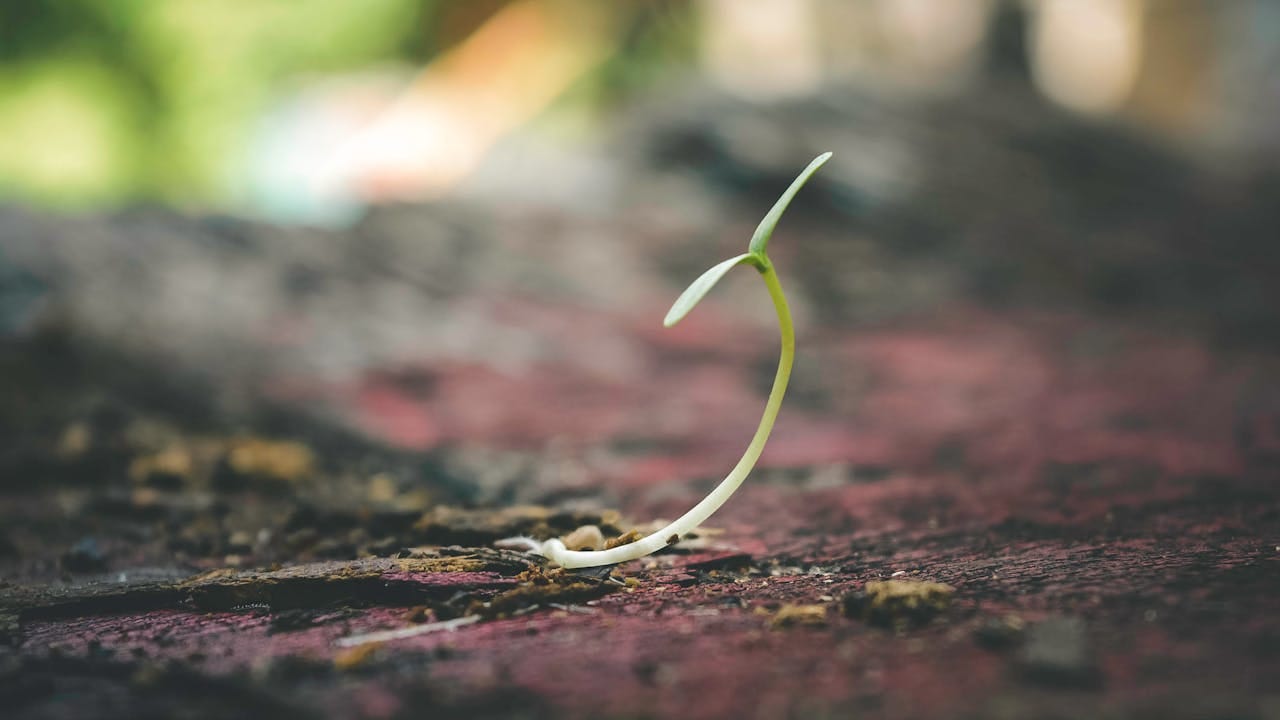
For a long time, I assumed purpose was something you were meant to figure out.
Other people seemed to talk about it with confidence, as if one day it simply arrived, fully formed, and everything else lined up behind it. I listened, nodded, and quietly wondered why it felt so elusive to me.
I wasn’t lost exactly.
I was busy. Engaged. Curious.
But “purpose” felt like a word that belonged to someone else’s life.
What I didn’t understand then was that I was trying to start in the wrong place.
The shift didn’t happen during a retreat, or a long walk, or a dramatic life decision. It happened in the middle of a conversation about journaling, of all things.
Journaling is one of those practices everyone seems to recommend. Write every day. Empty your thoughts onto the page. Let whatever comes out, come out.
I tried. Many times.
Like many writers, I started with Julia Cameron’s morning pages, the anything-goes approach of thoughts, worries, plans, frustrations, even complaints about the pages themselves. I explored other well-known approaches, too, hoping one would finally click.
It never did.
Every attempt felt awkward and forced. I couldn’t sustain it. My pages felt flat. And, as we so often do, I assumed the problem was me.
I wasn’t disciplined enough.
Not reflective enough.
Not doing it “properly.”
A couple of years ago, I joined Dickie Bush and Nicolas Cole’s Ship 30 for 30 writing program. Living in Australia meant 1 a.m. starts to join the live sessions, a commitment I was happy to make because I wanted clarity in my thinking and my writing.
More recently, when they announced a new program called Decision Journaling, it caught my attention. Maybe, I thought, this was the missing piece.
But the real breakthrough came elsewhere.
When my writing coach and I finally slowed the conversation down and looked at my resistance honestly, something obvious, but previously unnamed, emerged.
I don’t think through free-form journaling.
I never have.
I think through structured reflection. Through dialogue. Through pulling ideas apart and putting them back together again. I clarify by shaping thoughts, not by emptying them.
Once that was said out loud, something unexpected happened.
Relief.
It wasn’t just relief about journaling. It was relief about a much larger pattern.
I suddenly saw how many things I’d been quietly carrying because I thought I should—habits, expectations, ways of working that belonged to other people’s lives, not mine.
Nothing was wrong.
I was simply misaligned.
And when that became clear, a lot of mental noise fell away.
That was the moment I began to understand something about purpose.
It didn’t arrive with fireworks or declarations. It didn’t announce itself as a mission statement. Instead, it slipped into view once there was enough clarity and space for me actually to see what was already there.
I stopped asking myself what I should be doing at this stage of life and started noticing what I naturally returned to.
Writing, not to perform, but to think.
Building ideas slowly.
Articulating a different narrative about aging, one rooted in capability, dignity, and choice.
These weren’t new interests. They were familiar ones I’d finally stopped questioning.
Earlier stages of life taught me how to accumulate.
Careers. Responsibilities. Roles. Goals. There was always something to build, something to chase, something to optimise. That made sense then.
This stage feels different.
It’s less about addition and more about subtraction. About deciding what no longer earns a place in my mental space. About recognising that clarity is not a luxury. It’s a form of self-respect.
When clarity arrived, I stopped trying to force myself into frameworks that didn’t fit. Energy that had gone into self-correction became available for contribution.
That’s when purpose quietly took shape.
What I’ve come to see is that purpose doesn’t always look like a grand plan, especially later in life.
Sometimes it looks like orientation.
What you move toward.
What you protect.
What you keep showing up for, even when no one is watching.
I didn’t find purpose. I recognised it in the patterns that remained once the noise was gone.
I think many people, particularly in midlife and beyond, struggle with purpose because they’re trying to answer the wrong questions.
We ask:
What should I be doing now?
What’s my next big chapter?
How do I make this meaningful enough?
But the questions that actually helped me were quieter:
What feels true when I stop performing?
What no longer needs justification?
What remains when I let other people’s expectations fall away?
The answers weren’t dramatic.
They were steady. Familiar. Grounded.
This has changed how I think about aging well.
Aging well, for me, isn’t about constant reinvention or staying impressive. It’s about becoming more myself, with fewer distractions, fewer apologies, and a clearer sense of what matters.
Purpose didn’t need to be chased after that.
It emerged naturally from clarity.
I no longer feel the need to announce my purpose or define it neatly.
I see it in how I structure my days.
In the work I’m willing to do slowly.
In what I choose not to engage with anymore.
And perhaps that’s the most honest version of purpose there is.
Not something we declare.
But something that becomes obvious, once we let the rest fall away.
Hi Robyn, what essential questions to be asking ourselves. The one that stands out for me is "What remains when I let other people’s expectations fall away?" I have been a people pleaser most of my life - their opinion always held more weight than mine. It's interesting to meet who I really am once I let that go.
I love this, Robyn! I was so guilty of thinking everyone should journal gratitude, only to find out it doesn't work that way. I still think everyone should journal, but now I know that each person must find their own way. There are many ways to journal.
Happy Holidays!